
Engineered for demanding industries

Common Applications of Forgings

From road-going vehicles to aircraft and heavy industry, forged components deliver the strength, reliability and economy critical applications demand.

Explore industries
Built to perform under pressure

Where Strength Becomes Essential

Forging creates dependable components for shock, stress, fatigue, pressure and extreme operating environments across the world's most demanding sectors.

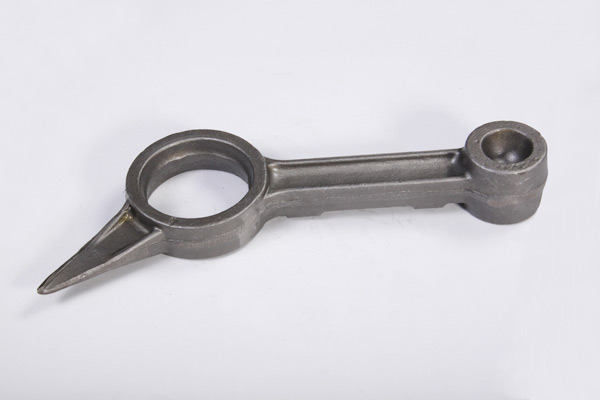
Forged automotive connecting rod 01
Industry application

AUTOMOTIVE & TRUCK

The characteristics of forged parts strength, reliability and economy are what makes them ideal for vital automotive and truck applications. Forged components are commonly found at points of shock and stress such as wheel spindles, kingpins, axle beams and shafts, torsion bars, ball studs, idler arms, pitman arms and steering arms. Another common application is in the powertrain, where connecting rods, transmission shafts and gears, differential gears, drive shafts, clutch hubs and universal joints are often forged. Although typically forged from carbon or alloy steel, other materials such as aluminum and microalloyed steels are seeing great advances in forged auto and truck applications.
PowertrainSteeringAxles
Rough forged heavy equipment component 02
Industry application

AGRICULTURAL MACHINERY & EQUIPMENT

Strength, toughness and economy are also important in farm implements. In addition to engine and transmission components, key forgings subjected to impact and fatigue range from gears, shafts, levers and spindles to tie-rod ends, spike harrow teeth and cultivator shafts.

Impact resistantFarm implementsFatigue strength
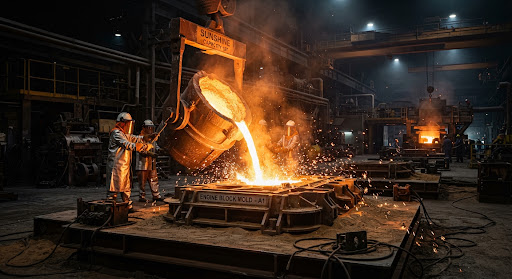
Molten alloy pouring process 03
Industry application

VALVES, FITTINGS, OIL FIELD APPLICATIONS

Because of their superior mechanical properties and freedom from porosity, forgings are often associated with the high pressure applications of the valve and fitting industry. Corrosion and heat-resistant materials are used for flanges, valve bodies and stems, tees, elbow reducers, saddles and other fittings. Oil field applications include rock cutter bits, drilling hardware, and high-pressure valves and fittings.

High pressureCorrosion resistantOil field
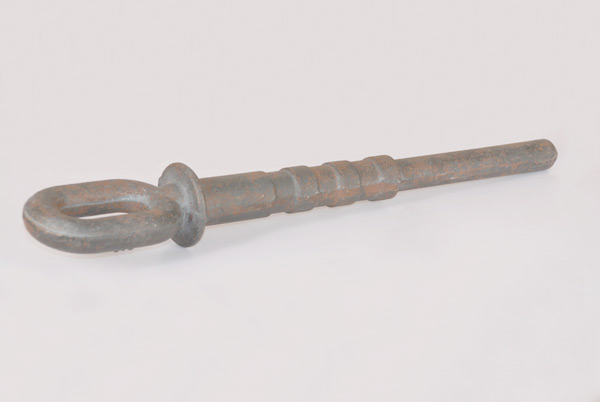
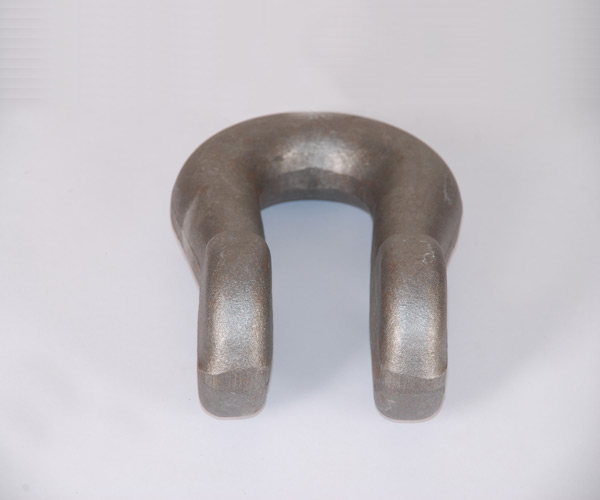
Forged eye bolt and lever arm 04
Industry application

HAND TOOLS & HARDWARE

Forged has traditionally been the mark of quality in hand tools and hardware. Pliers, hammers, sledges, wrenches and garden tools, as well as wire-rope clips, sockets, hooks, turnbuckles and eye bolts are common examples. Surgical and dental instruments are also often forged. Special hardware for electrical transmission and distribution lines such as pedestal caps, suspension clamps, sockets and brackets are commonly forged for strength, dependability and resistance to corrosion.

Hand toolsHardwareDependability
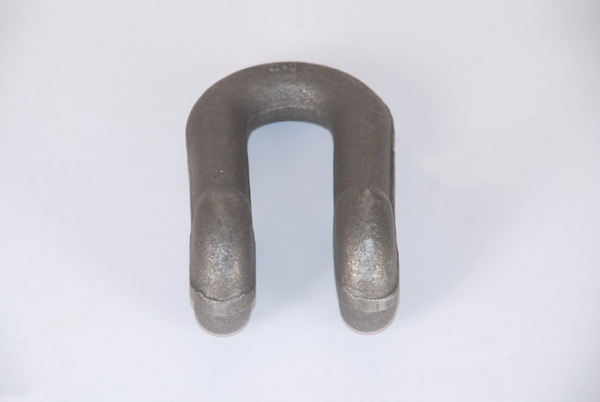
Finished forged heavy-duty component 05
Industry application

OFF-HIGHWAY EQUIPMENT/RAILROAD

Strength, toughness, machinability and economy account for the many uses of forgings in off-highway and heavy construction equipment, mining equipment, and material handling applications. In addition to engine and transmission parts, forgings are used for a wide variety of gears, sprockets, levers, shafts, spindles, ball joints, wheel hubs, rollers, yokes, axle beams, bearing holders and links.

Heavy equipmentMiningMaterial handling
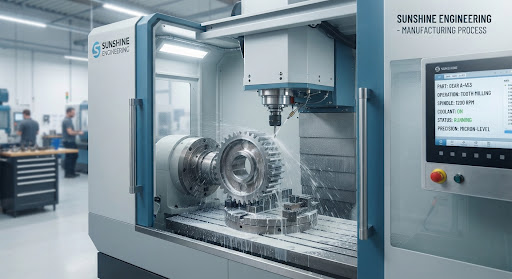
Precision machining of an industrial component 06
Industry application

GENERAL INDUSTRIAL EQUIPMENT

Forgings of great size are often found in industrial equipment and machinery used by the steel, textile, paper, power generation and transmission, chemical and refinery industries to name just a few. Typical forged configurations include bars, blanks, blocks, connecting rods, cylinders, discs, elbows, rings, T's, shafts and sleeves.

Power generationMachineryHeavy industry
Dimensional inspection of a forged component 07
Industry application

ORDNANCE/SHIPBUILDING

Forged components are found in virtually every implement of defense, from rifle triggers to nuclear submarine drive shafts. Heavy tanks, missiles, armored personnel carriers, shells and other heavy artillery are common defense-related applications of forged components.

DefenseMarineReliability
Dimensional inspection of a forged component 08
Industry application

AEROSPACE

High strength-to-weight ratio and structural reliability can favorably influence performance, range, and payload capabilities of aircraft. Made of various ferrous, non-ferrous and special alloy materials, forgings are widely used in commercial jets, helicopters, piston-engine planes, military aircraft and spacecraft. Some examples of where a forging's versatility of size, shape and properties make it an ideal component include bulkheads, wing roots and spars, hinges, engine mounts, brackets, beams, shafts, landing gear cylinders and struts, wheels, brake carriers and discs and arresting hooks. In jet turbine engines, iron-base, nickel-base and cobalt-base superalloys are forged into components such as discs, blades, buckets, couplings, manifolds, rings, chambers and shafts.

DefenseMarineReliability